Fragment of the Introduction
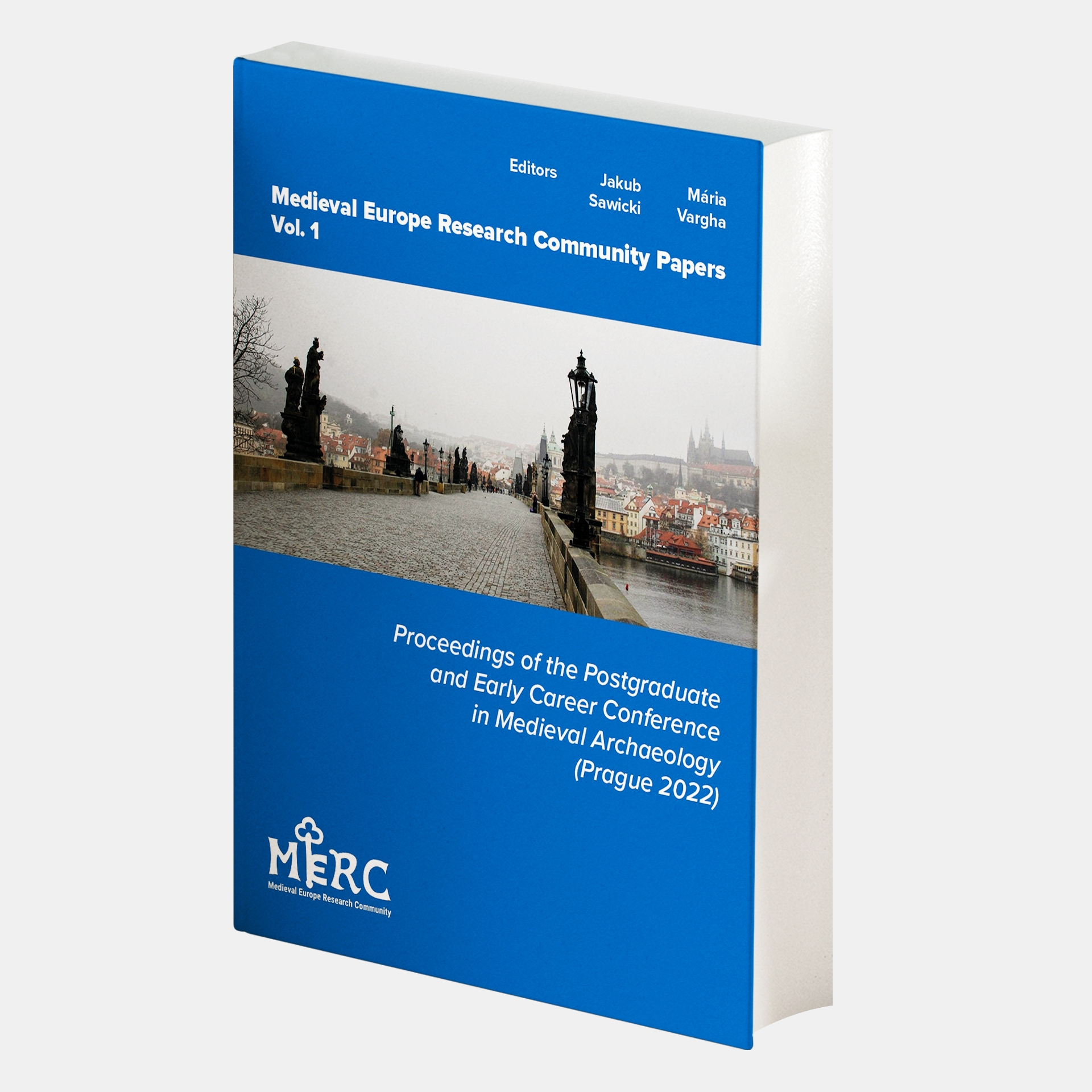
The presented book is, to some extent, a spiritual heir to the conference proceedings published on the occasion of the original congresses in York, Bruges, and Basel. However, it represents a completely fresh start, not merely conforming to current publishing standards but rather charting new paths forward.
We believe that Open Science is a value worth pursuing. The work we undertake on humanity’s shared heritage should be freely accessible to all interested. The debate surrounding the accessibility of science has persisted for years. Despite dominant models primarily focused on disproportionate profit relative to the effort and services provided, the moral right to access data often aligns with the stance of “pirates.”
We are immensely grateful to the Yellow Point Publications (YPP) publishing house for offering all texts available under the Open Access model, completely free of charge, without levying any fees for editorial and other works either. Both the technical and scholarly editorial responsibilities were undertaken by MERC members, entirely pro publico bono. While this approach is the most traditional, it is also fraught with the greatest financial risk, and essentially non-functional in today’s world dominated by predatory publishing corporations taxing societies multiple times for academic research. Consequently, we encourage the purchase of printed volumes, as the sole profit for the YPP publishing house stems from their sales. We hope this book will inaugurate an entire series dedicated to young researchers and all medievalists alike, focusing not only on post-conference volumes (which seem to be dwindling in recent times) but also on dedicated monographs.
In summary, this is the path that MERC treads—a path marked by principles of equality, inclusivity, support for young researchers, and the promotion of openness. As stated in our manifesto, “Medieval archaeologists are most effective when working together. We need a vibrant, socially engaged, respectful research community. For this to work, we need to build more avenues to self-awareness and knowledge exchange within the community of practitioners across all sectors”. This book is yet another step towards forming such a community.
Content
Jakub Sawicki, Mária Vargha, Carlo Citter
Introducing Medieval Europe Research Community Papers
Silvia Berrica
From Cities to Villages: the Distribution of Amphorae in the Central Iberian Peninsula – Between Production, Commerce and Society in the Seventh to Ninth Centuries
Nóra Buránszki
Plain bowls from Crac des Chevaliers
Camilla Felicioni, Chiara Mascarello, Ylenia Paciotti
Different approaches to connectivity from the Middle Ages to the Present
Lisa Fenucci
Constructing Late Medieval Heterosexuality Through the Lens of Sexual Badges
Laszlo Ferenczi
Monastic Manors and the Landscape Impact of Cistercian Estate Management: A Landscape Archaeological and Historical Ecological Project on Plasy Abbey
Zana Hoxha
Unification Process of Early Christian Architecture: A Comparative Study between Kosovo and the Roman Empire
Zbigniew Kubiatowski
New Dating of the Ceramic Set of Radzikowo “Gaik” Stronghold
Johan Sandvang Larsen
The Ghosts of Archaeologies Past – How to Track and Understand the Developments in Archaeological Fieldwork Methods
Jakub Jauernig, Barbora Uchytilová
The Painting of a Coat of Arms on Shields as a Dispute Between Painters and Shield-makers